
Premiering at Los Angeles Filmforum (2220 Arts + Archives) on Saturday, October 24 at 1pm! Further screenings to be announced.
The 2026 edition of the Festival of (In)appropriation – Festival #14 – is curated by Jaimie Baron, Jennifer Proctor, and Zachariah Anderson, with help from Curatorial Assistant Taylor Zhou.
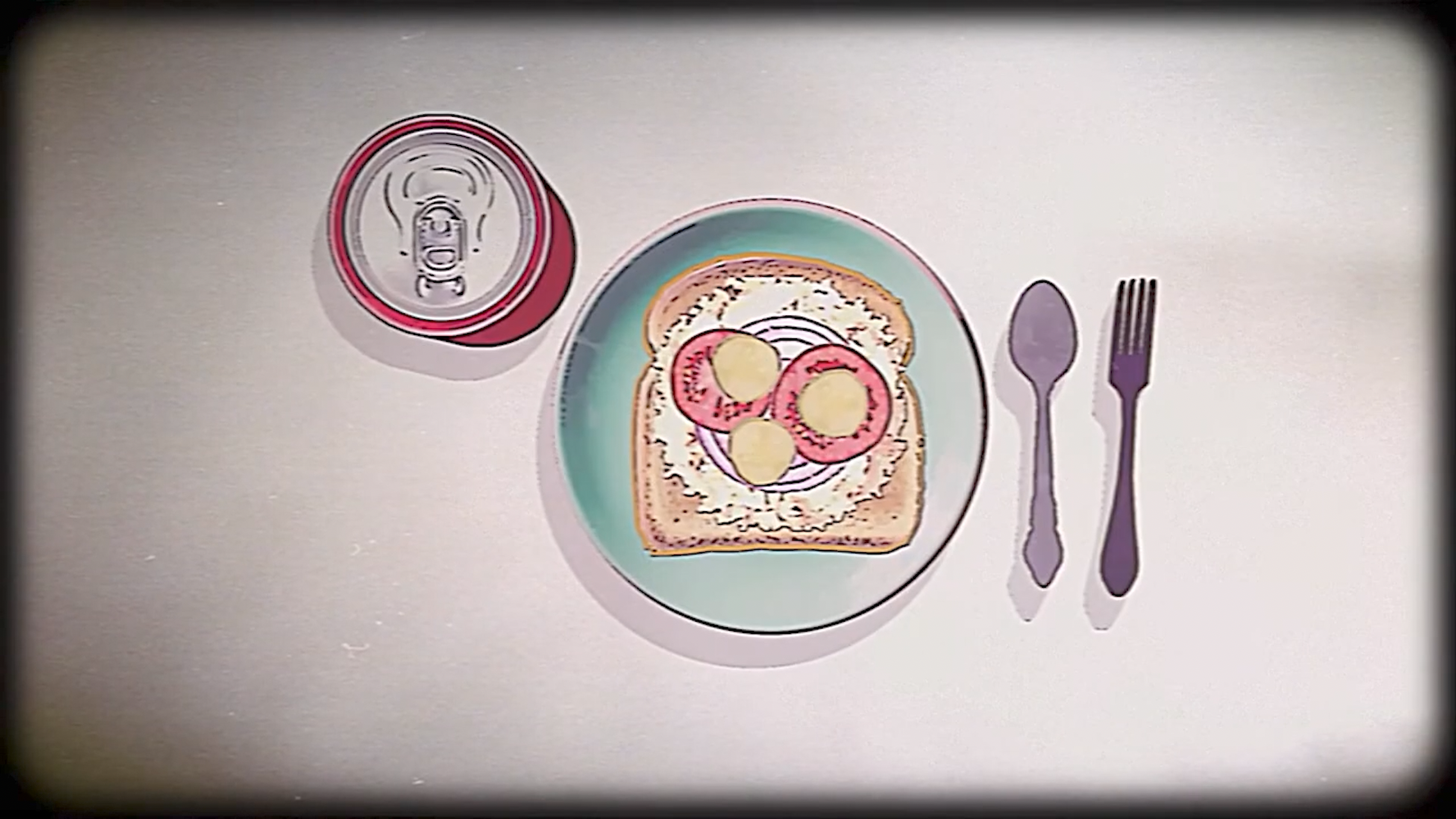
Sandwiches & Sandwiches (US, Kevin Perlic, 2024, 4:13, color)
Created using vintage educational film and animation. Accompanied by original music created from the same source footage.

here and there, now and then (Canada, Cheryl Pagurek, 2024, 7:11, color)
While interacting with Cheryl Pagurek’s States of Being video and sound installation, dancers Rion Taylor and Wyeth Walker move fluidly through space and time. They traverse public and private locations, inhabit physical and virtual realms, and explore connections and relationships between the past, the present and an uncertain future. Their movements unite black and white film footage with contemporary video recordings, while building a compelling soundscape with composer Jesse Stewart’s music. The States of Being interactive video and audio installation reimagines the possibilities for expressive self-representation in the internet age.

Swing Swish Sway (US, TT Takemoto, 2026, 6:55, color)
Swing Swish Sway uses emulsion lifting and contact printing to recover a submerged history. It is inspired by mixed-race Filipina American Rose Bamberger, who rejected the political visibility of the Daughters of Bilitis (The Ladder) in favor of a “secret society” for queer joy. The film manifests her vision through the pleasure of playgrounds at night, and the shared acts of swinging, dancing, preparing fried chicken, and the soft knowing stroke of a paintbrush.
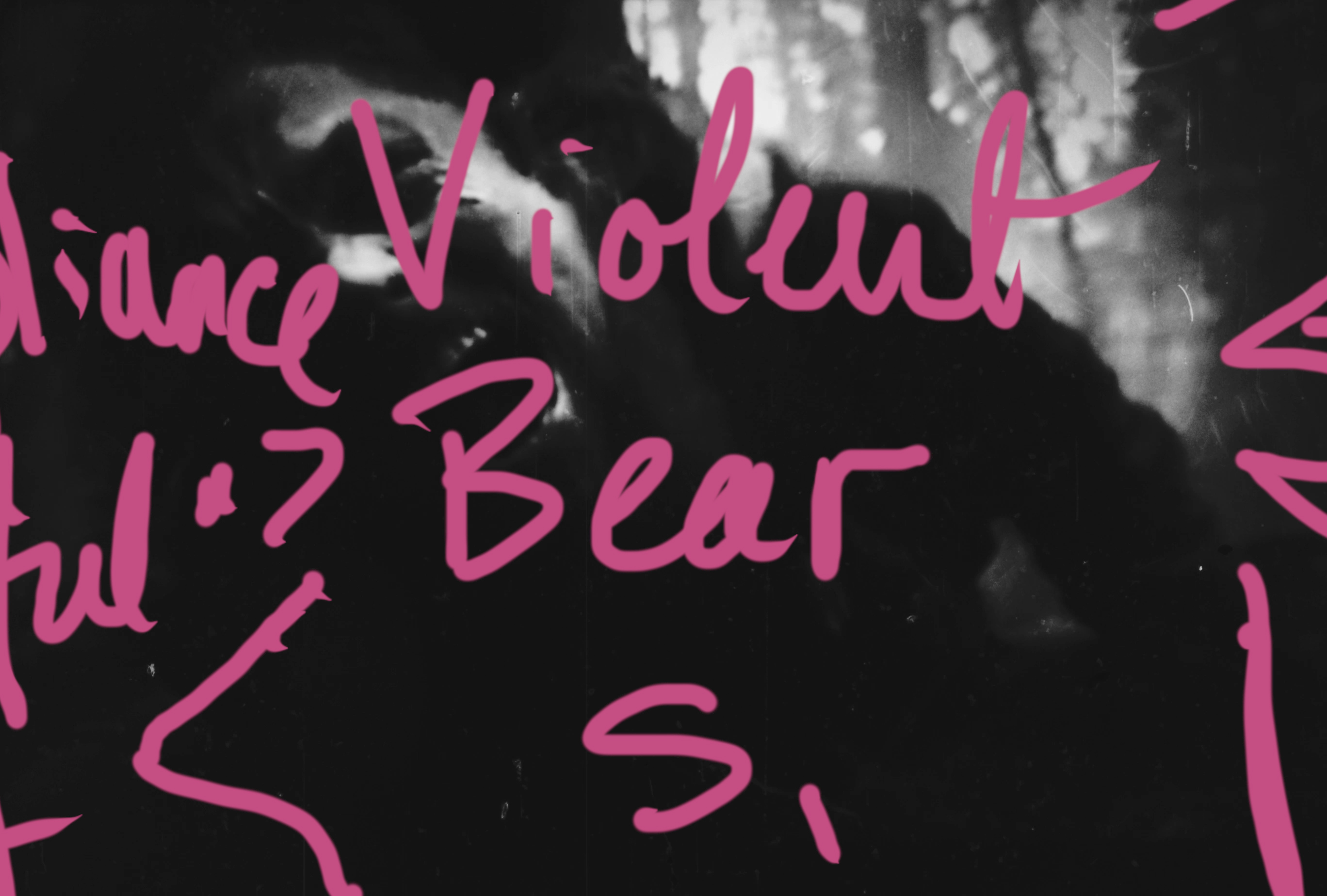
A Semiotic Square for Violent Bear (US/Canada, Derek Jenkins and Eugenia Zuroski, 2025, 13:00, color)
What does our culture dream? How can we locate that dream within the logics which govern our lives? Half collage, half essay, half serious, A Semiotic Square for Violent Bear is a busy, referential riff on the political moment.
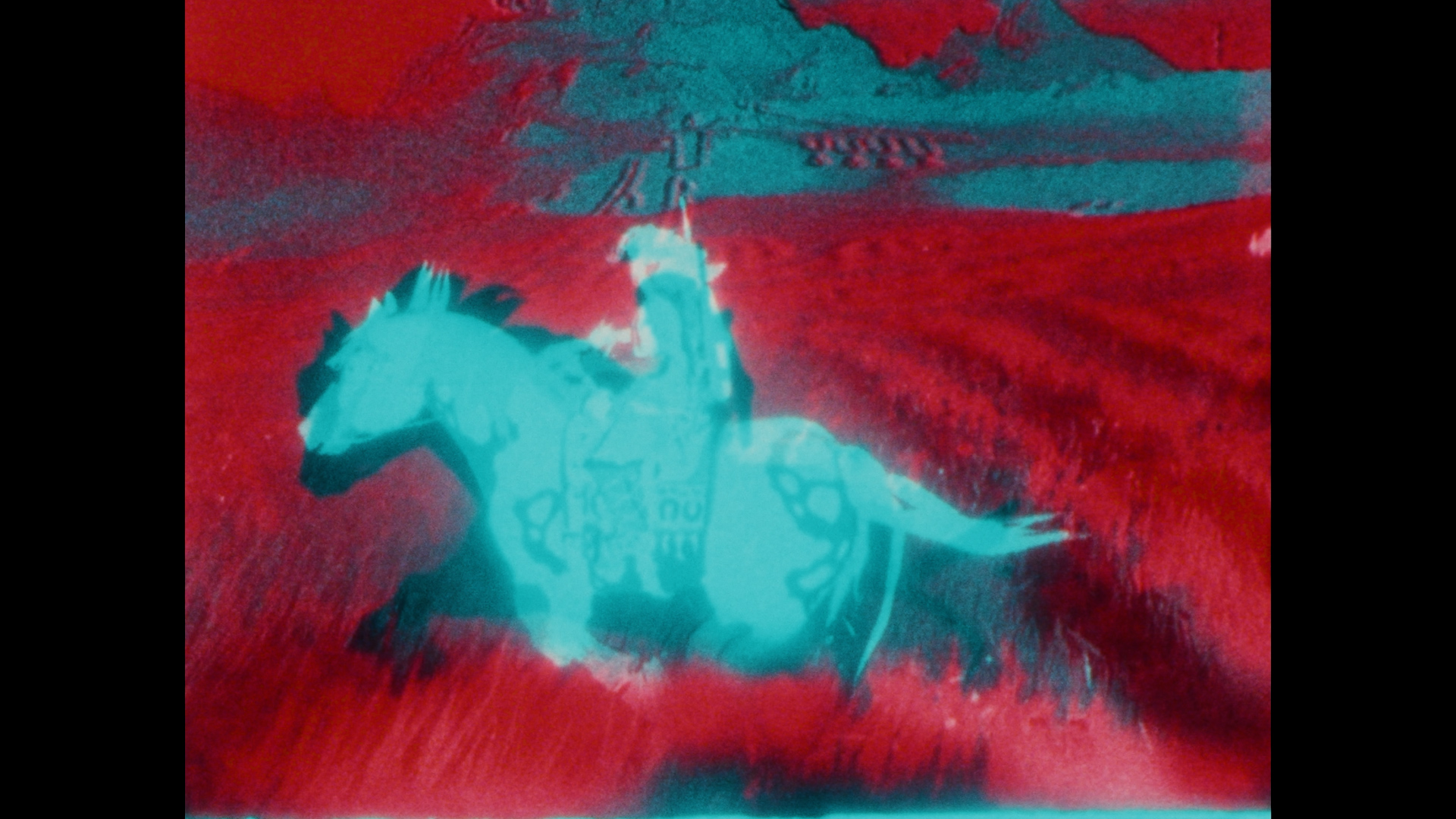
Riding Day (US, Michael Morris, 2023, 3:22, color)
The music video for Black Taffy’s Riding Day is a loving nod to British experimental filmmaker Malcom Le Grice’s 1970 film Berlin Horse, an iconic work of Structural/Materialist filmmaking that featured a soundtrack by Brian Eno. Like that film, this film is an exploration of the material qualities of celluloid film in ways that are analogous to gestures in electronic music. Just as Black Taffy has sampled and reworked the soundtrack for The Legend of Zelda: Breath of the Wild to create a new musical composition, this film samples and reworks images from its sequel Tears of the Kingdom, translating the interactive game world into a physical form.

Peru is a place to die (Peru, Victor Augusto Mendivil, 2026, 12:13, color)
Using footage filmed in Peru in 1950 by a foreigner, Víctor writes a letter to his son to question the country he will inherit: among heartbeats and ruins, he searches for a hope that still endures amid disillusionment.

Like a Monster: a video poem in 5 parts (US, Krista Leigh Steinke, 2026, 4:57, color)
Vintage filmstrips and projectors were widely used in classrooms during the 1960s and 1970s as educational tools. A filmstrip is a 35mm roll of still images that advances manually through a projector, often accompanied by recorded narration on cassette tape. Unlike digital video, filmstrips do not move continuously; the turning of a knob allows for pauses and reflection. Viewers are cued to advance the frames by a beep in the audio, creating a rhythm that emphasizes attention and shared experience. The project draws inspiration from Dada cut-up poems, in which clipped words from printed materials were rearranged to generate spontaneous and unexpected meanings.

Hiding Places (US, Magdalena Bermudez, 2025, 12:22, color)
Women pretend to be rocks. Military operations masquerade as art education. One woman deserts to pursue a more radical act of unselfing.
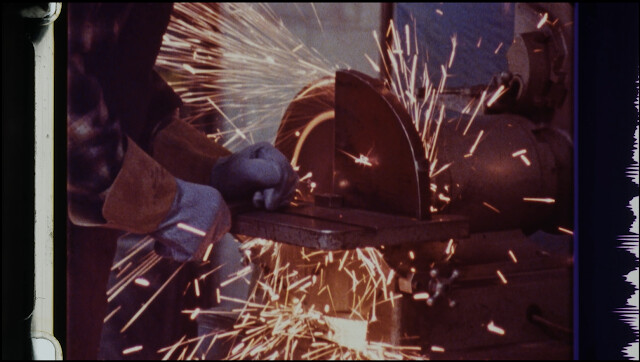
Film Body: Eye Injury (Spain, Albert Alcoz, 2025, 3:44, color)
Film Body: Eye Injury disassembles and manipulates the photochemical surface of a 16mm film entitled Safety Gear: Eye and Face Protection dedicated to preventing eye injuries in work situations. Warning about the physical risks that can occur at work under specific circumstances is the theme of an industrial film, an ephemeral film exempt from copyright that, at times, seems like a sample of glasses. The new montage transforms the original ten minutes into a shorter footage close to the aesthetics of flicker film. It emphasizes the harmful nature of a film body that, underlining the fragility of vision, can cause migraines.

Suzon (Canada, MilleFeuille, 2024, 9:40, color)
A disruption of the bully’s gaze & voice. Viral videos of drive-thru workers—recorded by surveillant, managerial consumers—are reimagined as portraits embodying the tension between the mundane and the theatrical. Named after the real-life woman in Manet’s painting A Bar at the Folies-Bergère, this found-footage montage references visual elements and ideas in the painting. Aureoles of light venerate workers, renouncing the distinction between high and low art in portraiture; incongruous settings are interwoven to reflect on the shifting sensibilities from analogue film to digital media, and to frame questions about the roles of filmmaker and audience; undulating textures evoke the generative potential of the iconic drive-thru to create new meanings.
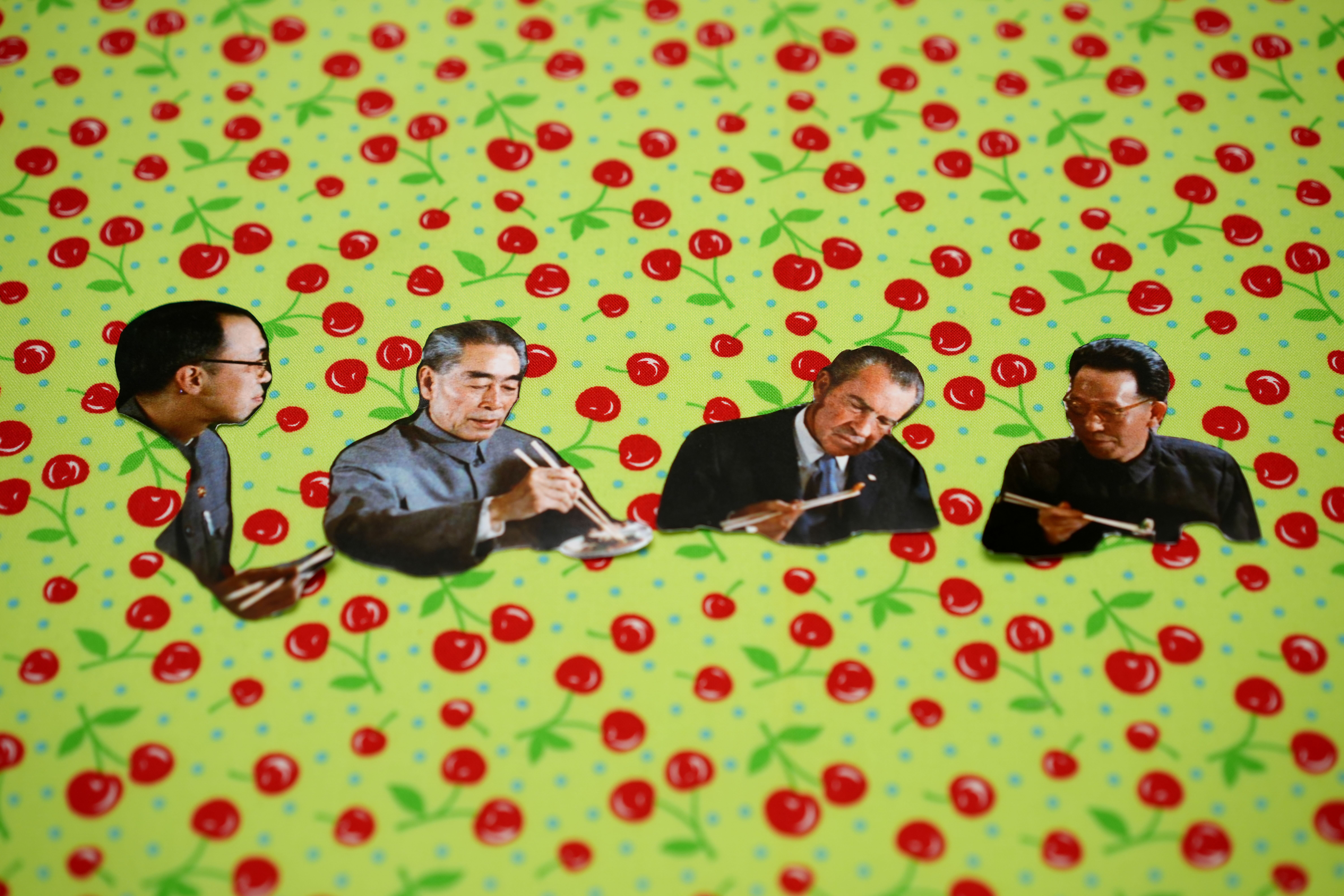
Thick and Sweet (US, Yinan Wang, 2025, 14:54, color)
The uprooted, the American dream, the thick-and-sweet sauce, and an empty dining hall—too much for any one person to face and survive. It is easier to demolish a closed restaurant. Inspired by Robert Nelson’s Oh Dem Watermelons and its meditation on race and food, this video collage combines cutouts, reenactments, found footage, and fragments of earlier films to reconstruct personal and collective memory while reflecting on the immigrant experience through the Americanization of food.

